
About Orator Woodward
His portraits, fashion shots, and documentary-style images all share one common thread: they’re timeless. And while his work spanned a wide range of subjects, it was always driven by his desire to explore what inspired his subjects, to understand what moved them beyond the surface.
His images found a place in some of the most influential publications of the time, including Vogue, New York Magazine, and The Daily Herald. But even more than being visually striking, his photos had the power to move, to make you pause and reflect. Whether it was a portrait of a cultural icon or a candid moment in everyday life, his photographs felt like glimpses into a world that was both familiar and extraordinary.
After decades of work that shaped the cultural landscape, Orator retired in the 1990s due to health complications, including the loss of his left eye to skin cancer. But his impact didn’t end with his retirement. His archive of work, extensive and rich with history, has lived on. In 2021, his daughter Serena Woodward began the important work of digitizing and curating his photographs, ensuring that Orator’s legacy would continue to inspire new generations. This collection you now hold in your hands is a direct result of her dedication to preserving and sharing the artistry her father left behind.
Orator Woodward was born in 1933 in New York, the heir to the Jell-O fortune. Despite the privileges that came with his family’s wealth, it was the early loss of his father that would shape Orator’s life and career in ways far beyond what money could buy. His passion for photography became a means of personal expression and exploration, and in many ways, it was his lens that allowed him to see the world for what it truly was: a place filled with untold stories waiting to be captured.
By the 1950s, Orator was beginning his journey as a photographer, and it wasn’t long before his unique ability to capture the soul of his subjects began to set him apart. He traveled the world, often alongside some of the most iconic figures of the 20th century, including Salvador Dalí, Hugh Hefner, Orson Welles, and Catherine Deneuve. But what truly made his work stand out was his focus on the intimate moments behind the glitz and glamour—the fleeting, candid interactions that revealed the humanity of those who were often seen only as larger-than-life figures.
Orator’s style was grounded in capturing real life, in all its complexity and beauty. He wasn’t just photographing his subjects; he was telling their stories—stories that had nothing to do with their public personas and everything to do with the quiet moments that defined who they really were.
EARLY LIFE
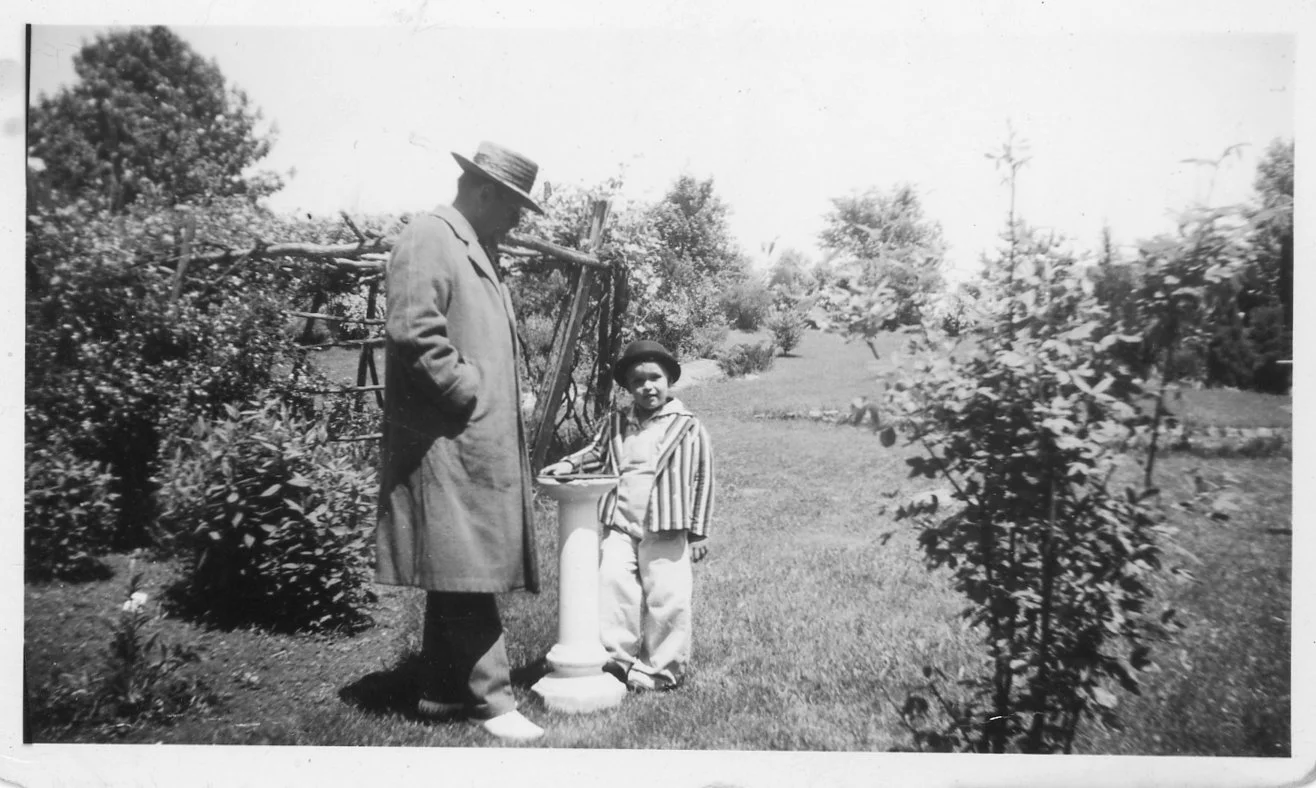
Orator spent most of his childhood between Upstate New York on Meadowood Farm, New York City, and Palm Beach, Florida. In each place, he gained exposure to different ways of life: ’salt of the earth’ people in Upstate New York’s farm country, the movers and shakers of New York City, and the debutantes and heirs in Florida.
At eight years old, he learned that his asthma was preventing his lungs from developing properly. Back in the 1940s, if you were born with Asthma, there was no cure except to live in a dry climate while your lungs were developing. He went to Arizona for school at eight years old, which is where he learned the dark room process for photography.
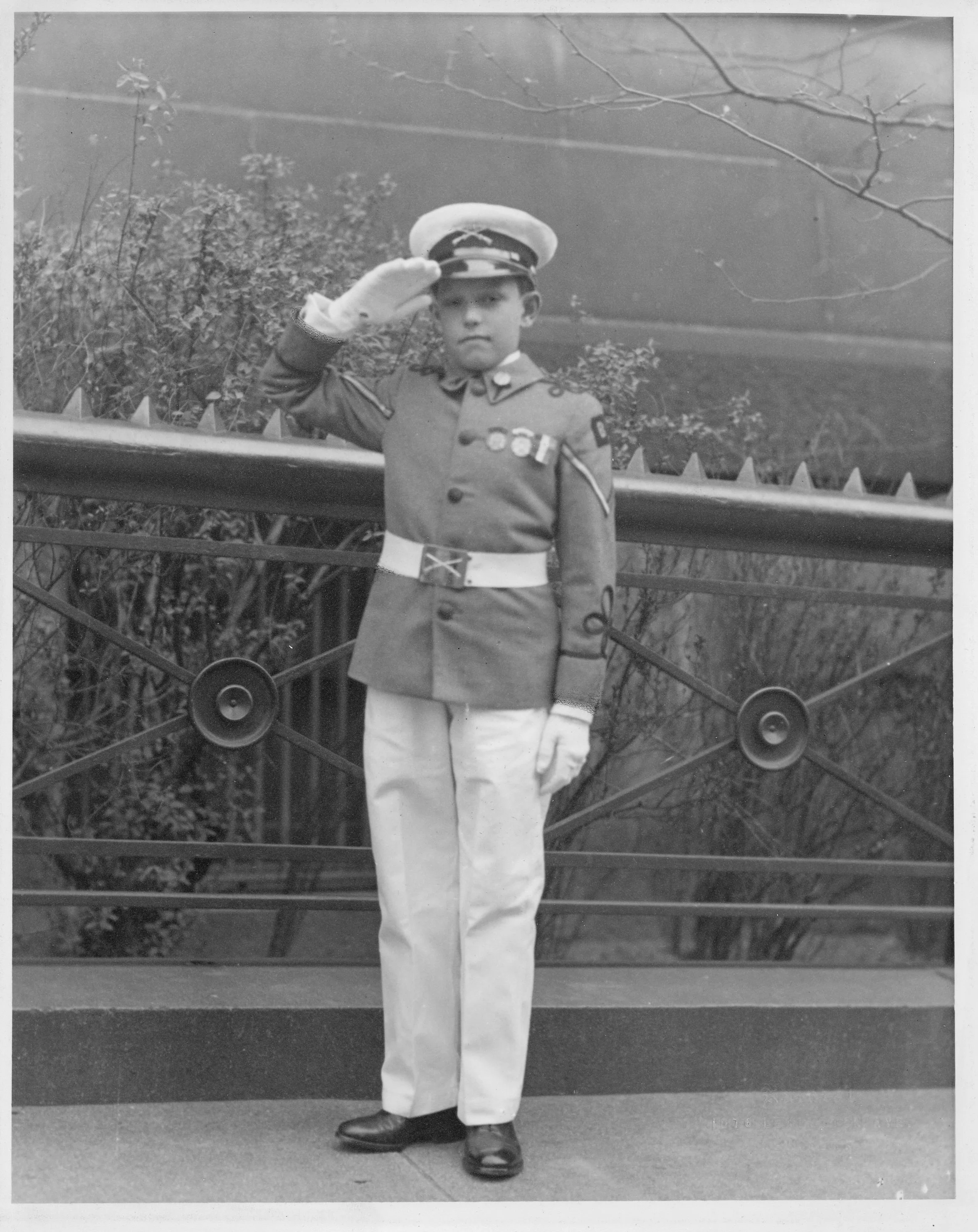
Some of his earliest prints from both Arizona and Upstate New York are within the archive. Arizona is represented by cowboys and the desert, whereas the privacy and natural environment of the small farm town of Patterson grounded and shaped his ability to document everyday moments and famous subjects. He also attended the New York Military academy (left).
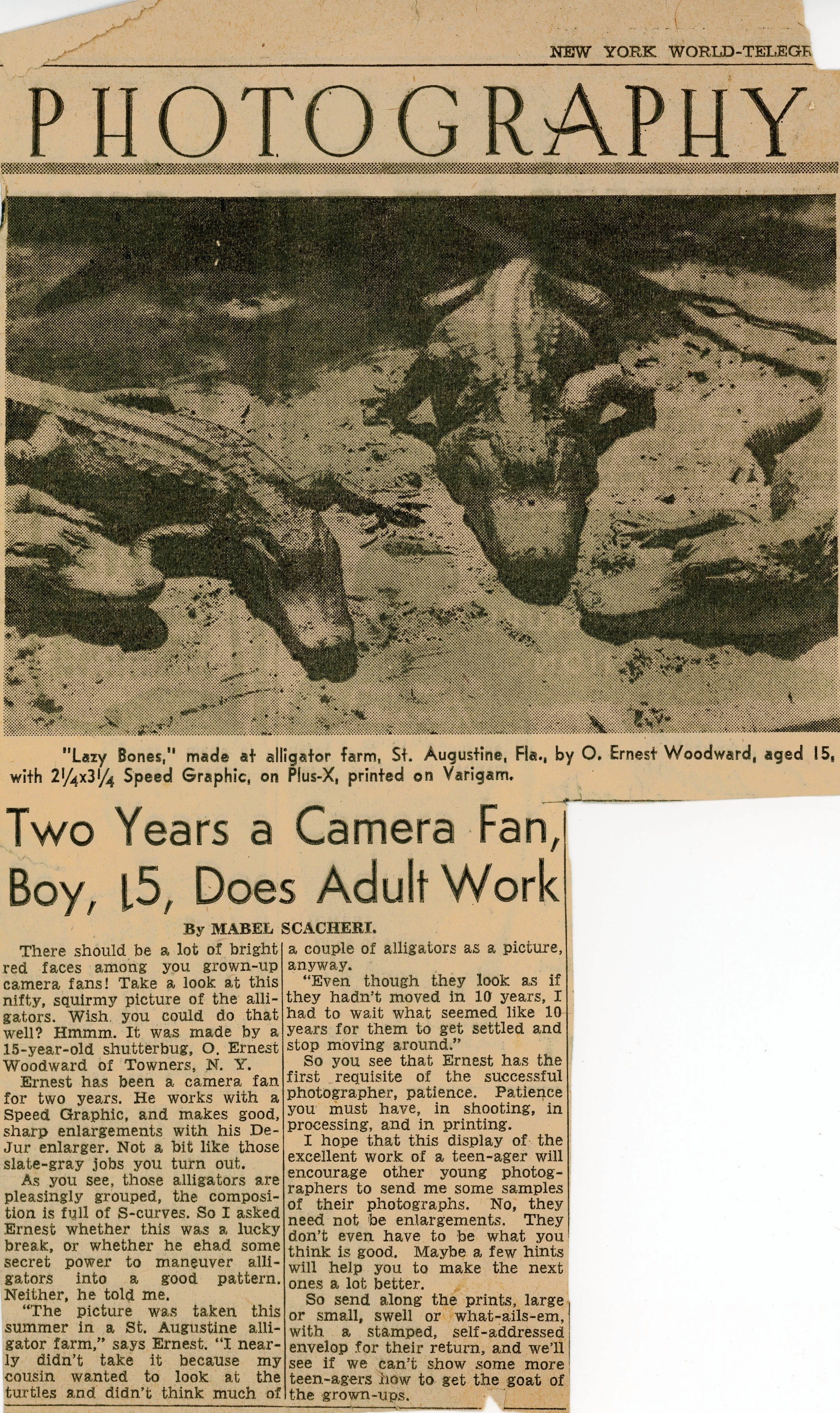
Twice per year, Orator would make the train trek between New York and Palm Beach. On one of those trips, he photographed the alligators at an alligator farm and had his first publication at the age of 15 years old in the New York World Telegram, now The Sun (Right).
YOUNG ADULTHOOD
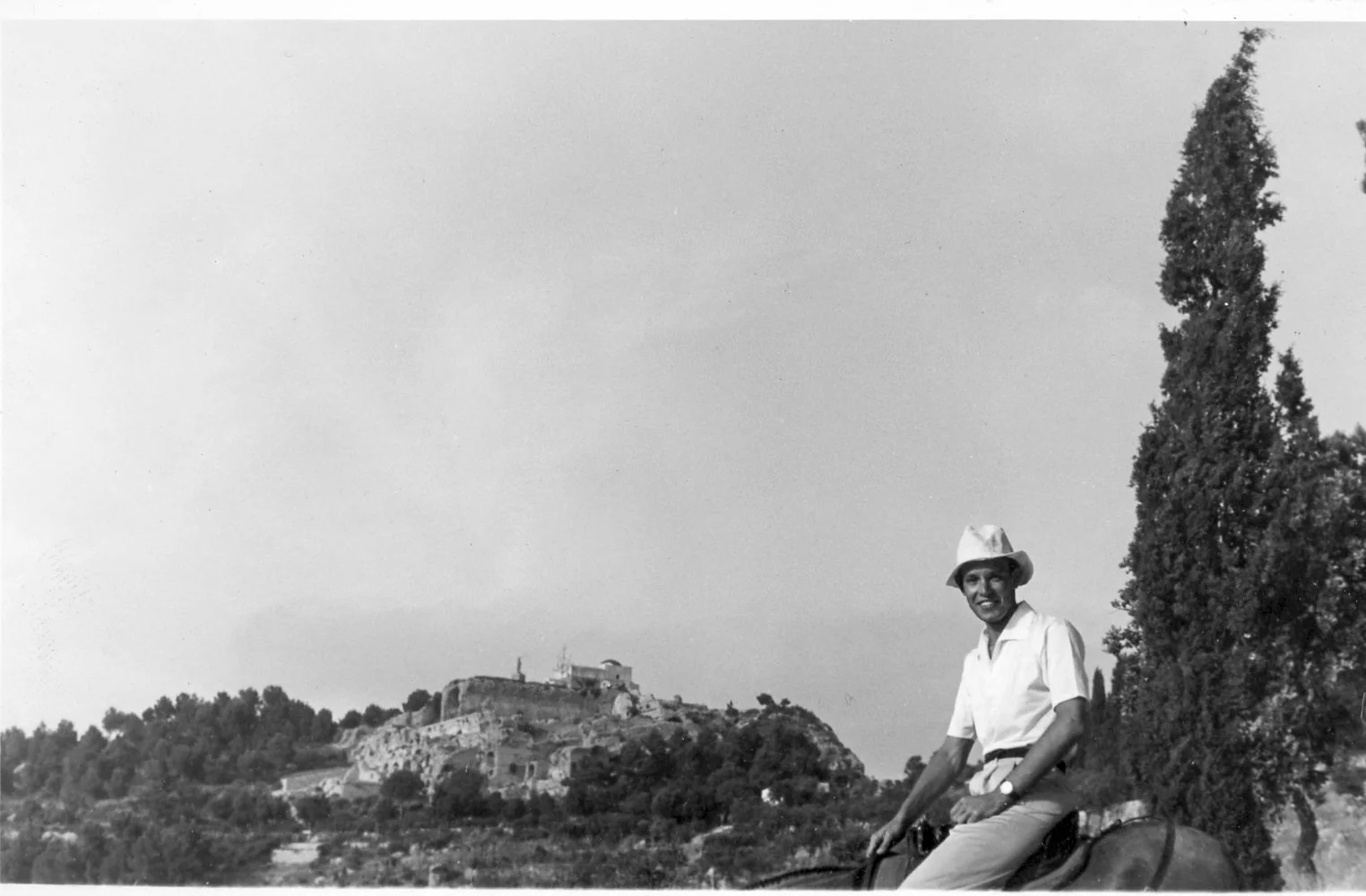
His Aunt took him to capri for the first time during summer break from the Taft school. He rode a donkey up the hill to get to Capri Town for the first time, and, upon reaching the top, described it as the most “magical town on earth”. Much of his time there was spent seated in the main square watching as the day trippers made their way into town to the iconic shops, like the original Pucci store, among others.
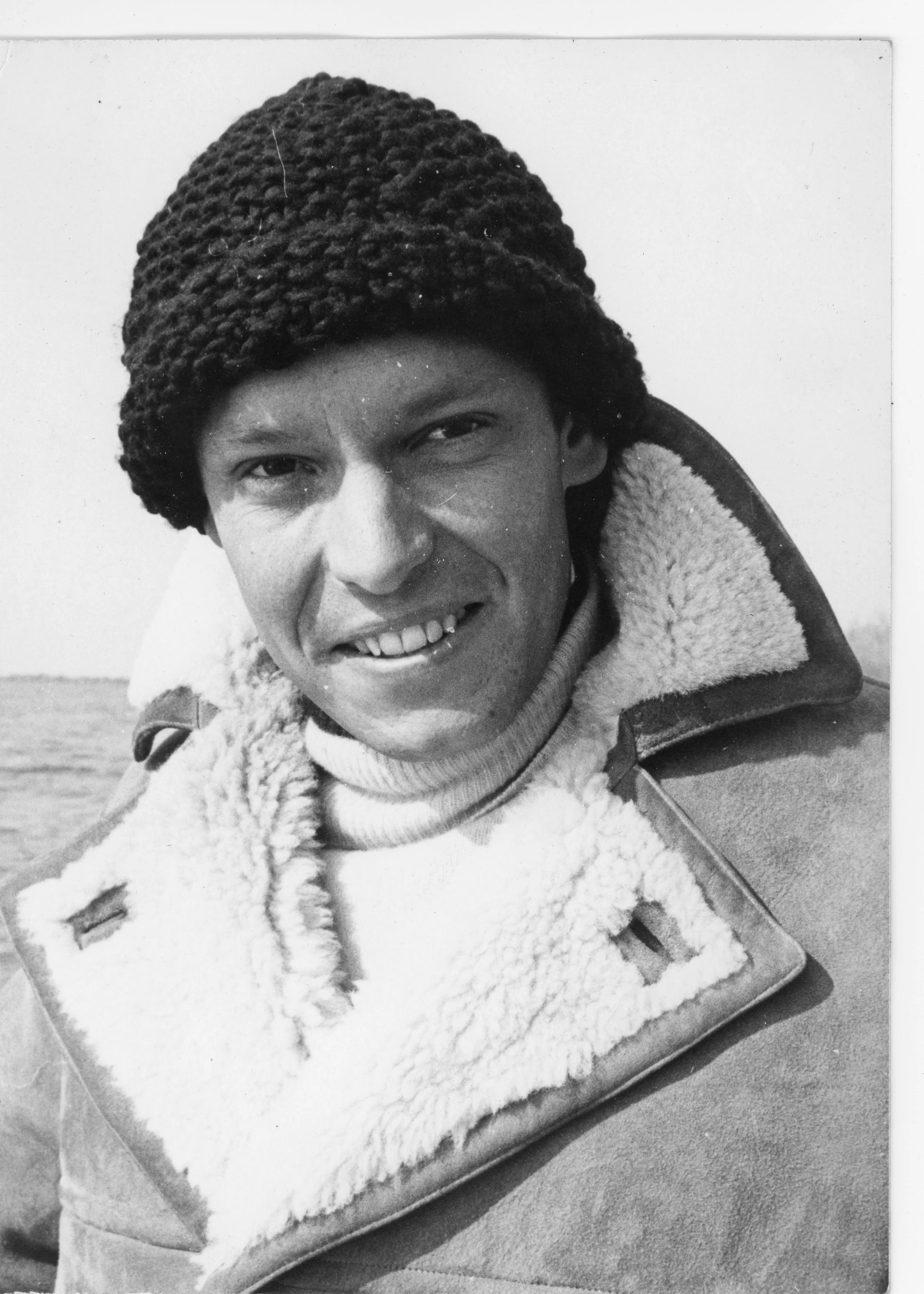
His late teens and early twenties were marked by the glamour of high-society New York—debutante balls, private clubs, and endless nights out. Yet caught between two worlds, Orator was both the life of the party and quietly introspective, often withdrawing into his photography as he tried to make it on Wall Street.
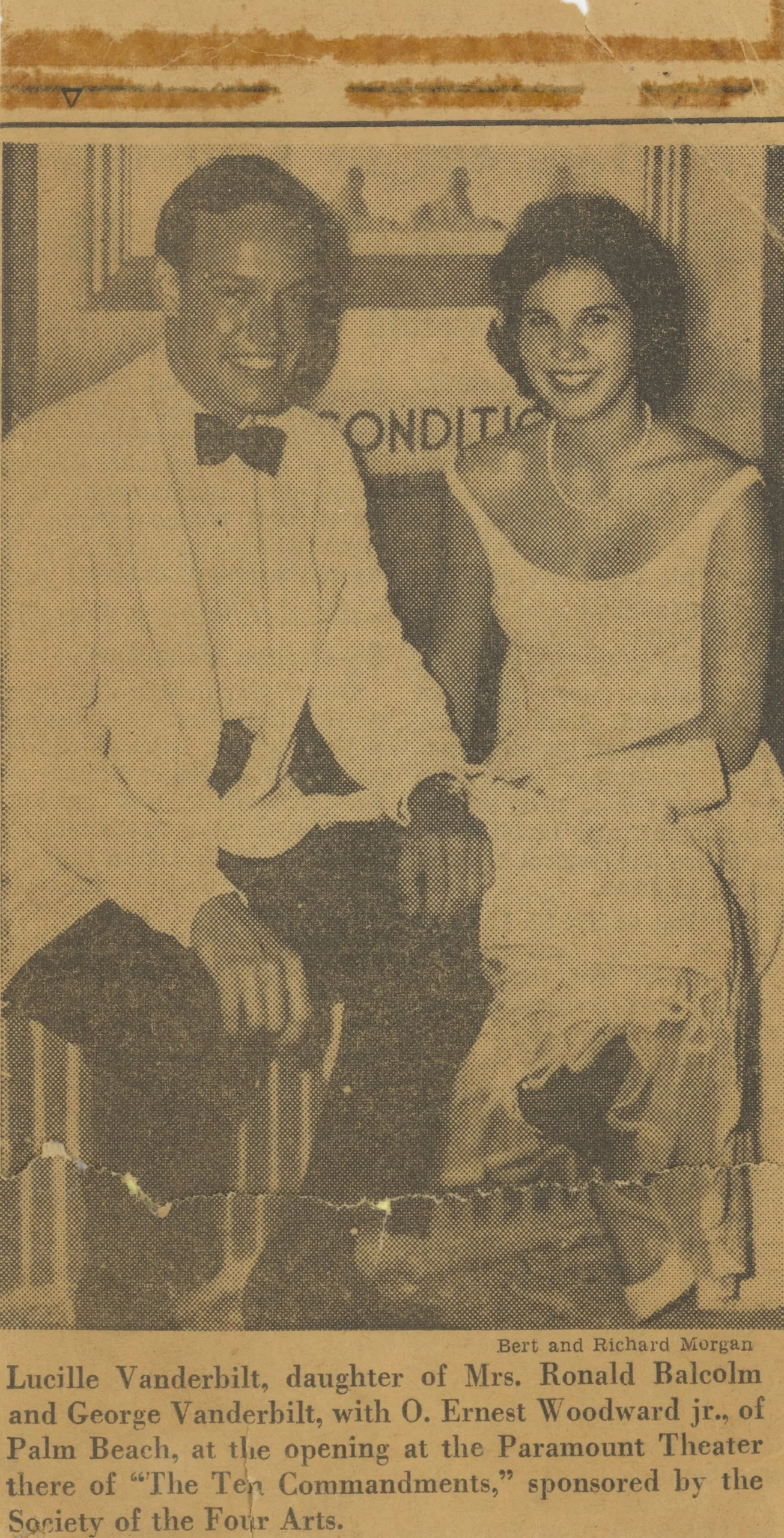
In 1954, he escorted Lulu Vanderbilt to the Debutante Ball. He and Lulu were good friends in the young New York scene, spending many weekends in Southampton and winter in Palm Beach together as well.
It was around this time that he also met an editor for Town & Country magazine who was going to Nassau in the Bahamas for a photoshoot. Going on this trip as the impromptu photographer launched his commercial photography career.
Soon after, he was named one of Cosmopolitan’s top bachelors in New York of 1963 and his work really started to gain traction. He was sent on assignment by the Daily Herald to photograph another model who was not allowed entry to the prestigious Stork Club for wearing pants, a common issue at the time for women.
He set out to chase stories of society for the magazines around the world, a pursuit that led him to Diana Vreeland who was the newly appointed editor-in-chief of Vogue. She invited him to contribute photographs for several columns while traveling abroad that summer – an opportunity that would spiral into a full career working with New York Magazine, Town & Country, Vogue and others.
HIS WORK
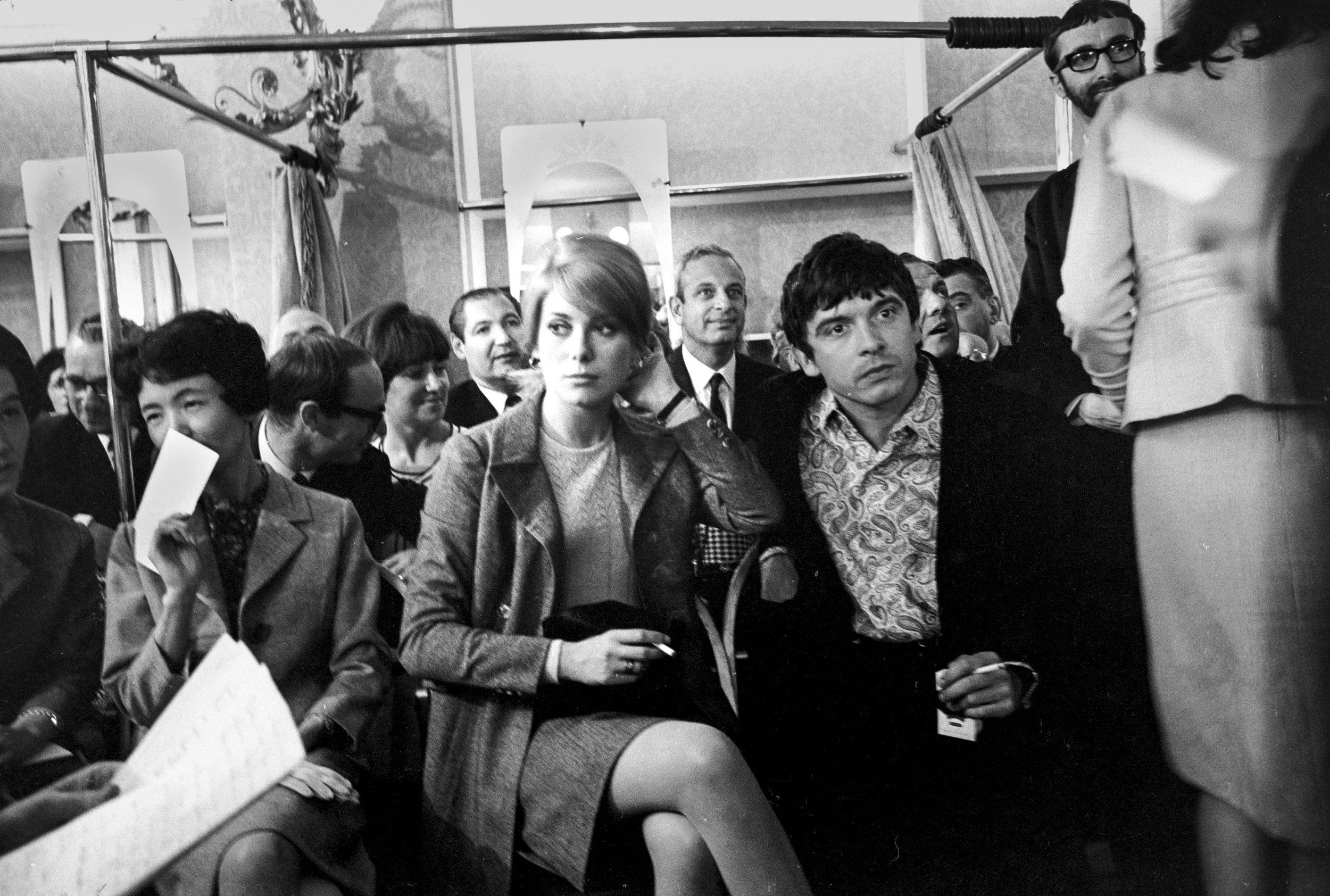
Orator Woodward captured the intimate moments behind the public facade—from Salvador Dalí at home in Cadaqués to the sun-soaked elegance of Palm Beach society. His lens found poetry in the everyday alongside the extraordinary, documenting a world where glamour and authenticity coexist. His work preserves a vanished era when access meant proximity, when a photographer could move seamlessly between celebrity's private spaces and the quiet, overlooked beauty of ordinary life.
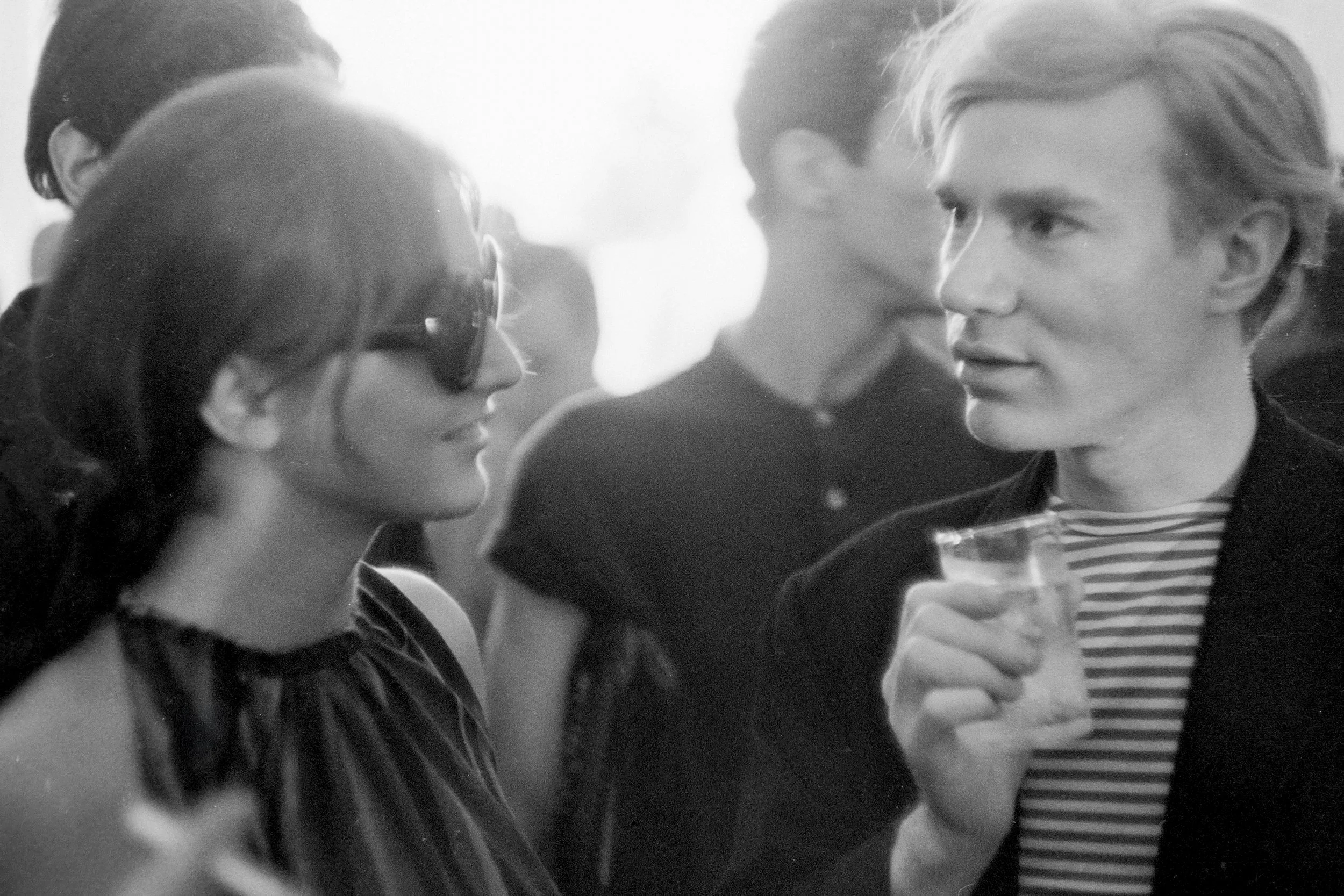
His work offers an insider's view of a life most could only dream of living because of his access to some of the world’s most interesting figures. When he wasn’t attending a party given by Andy Warhol camera-in-hand for Vogue, he was photographing the most beautiful models of the era. His reputation grew through a recurring Vogue column documenting what women wore along the South of France in the 1960s and ‘70s. He apprenticed under Clay Felker, shaping his signature high-fashion in viro style, which can be seen in photos like his series from Jamaica (See Core Collection).
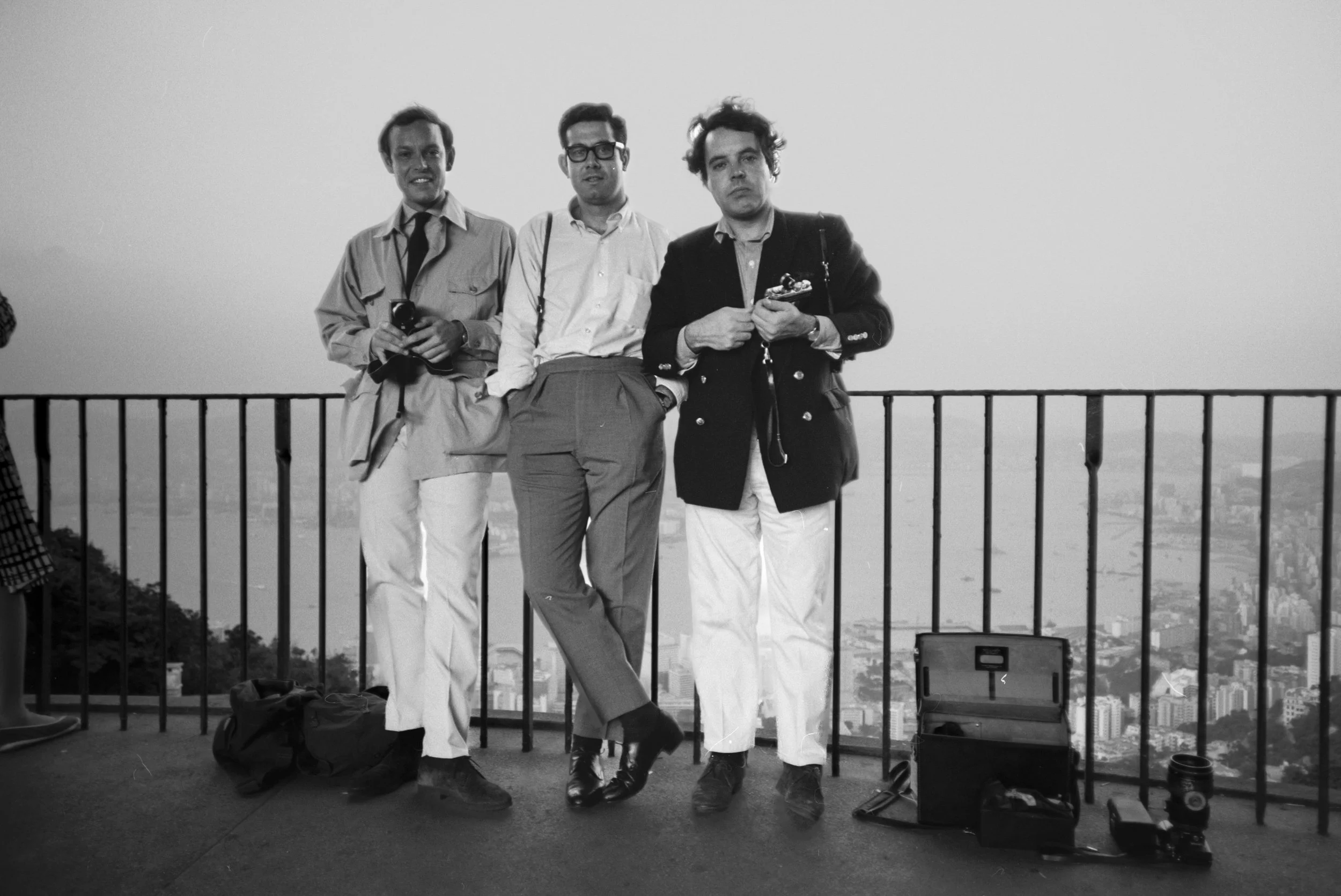
As an official photographer for the International Overseas Fund, he traveled nearly everywhere with his camera. He had such a love for travel that agencies commissioned him to visit to the farthest corners of the world—Tahiti topping the list—as long as he returned with photos in hand. His archive includes work from every continent except Antarctica and Australia.
PRINTS
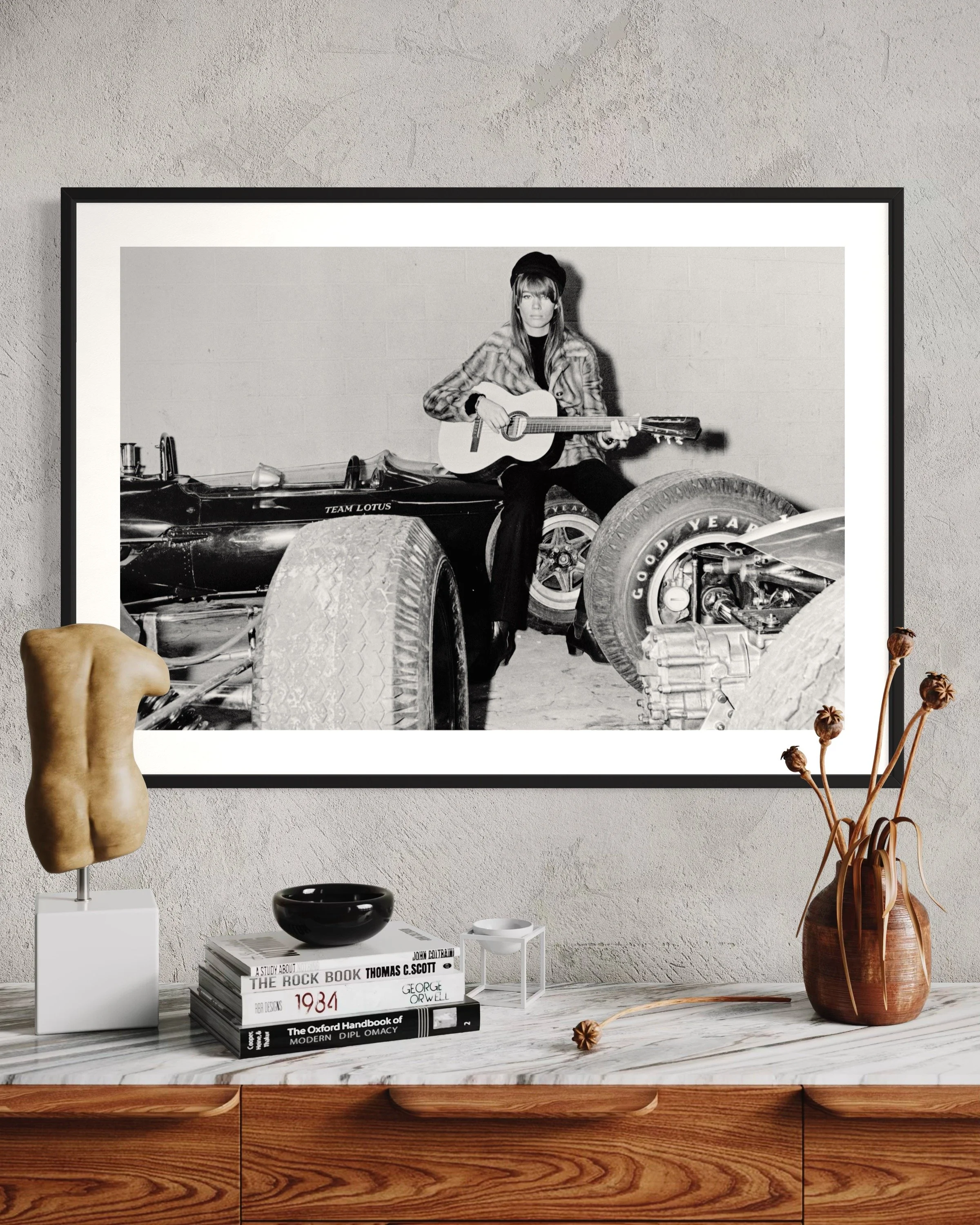
Each print comes with the story of where the image was created, for what publication (where applicable), and the context around the image. Many of his images tell a story as they stand alone, but the real story behind them is beyond your wildest dreams.
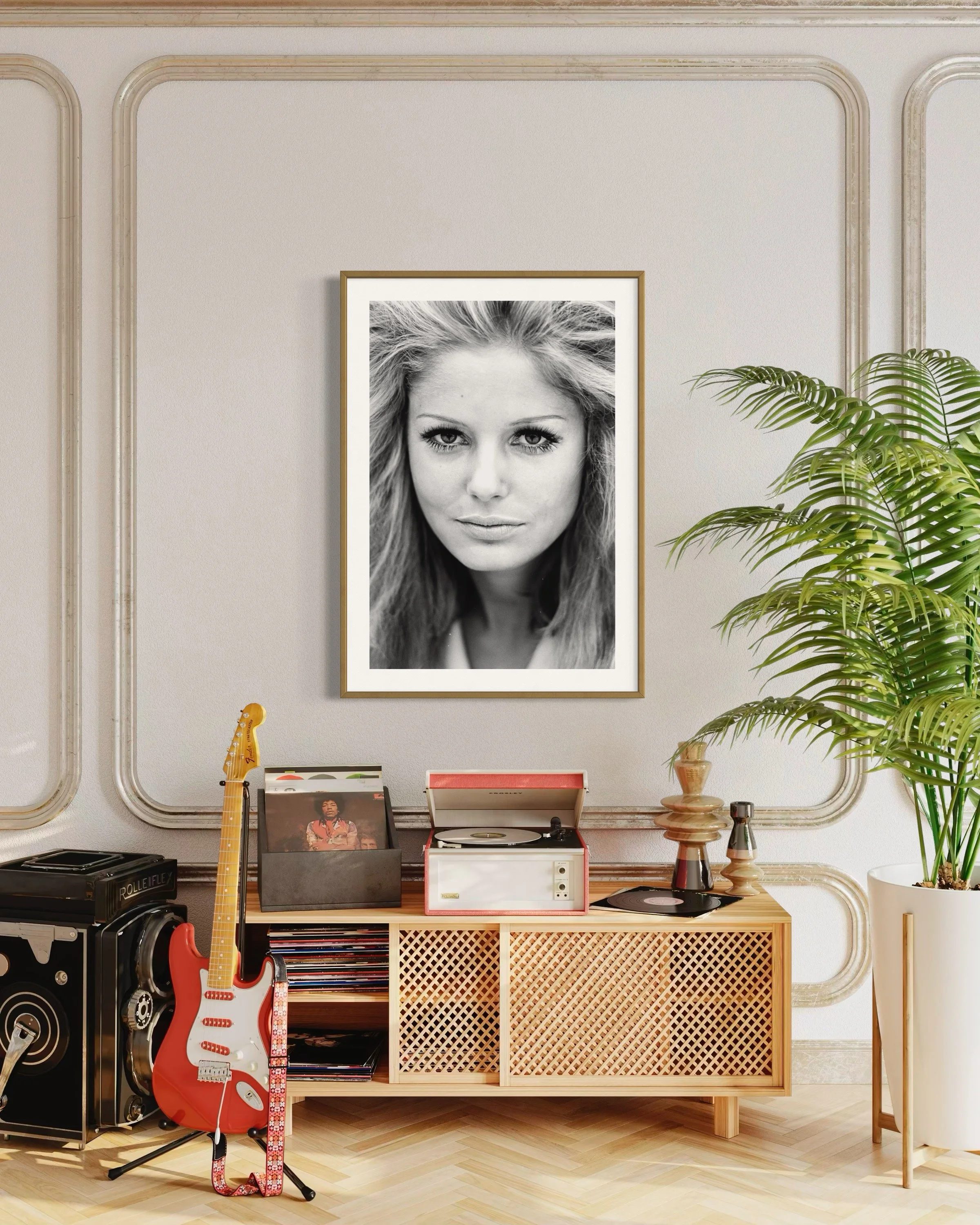
There are approximately 2500 original darkroom prints in the collection.
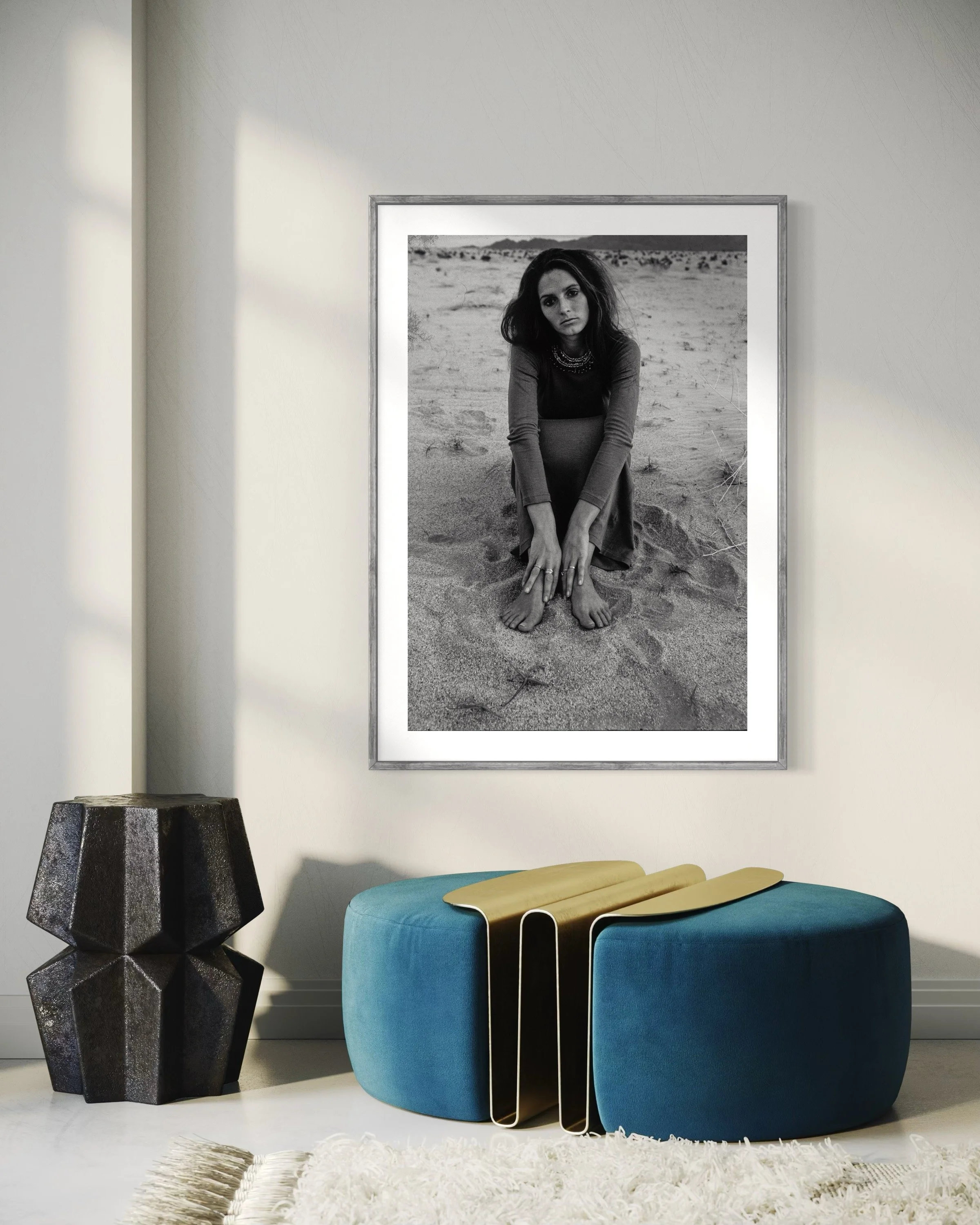
Limited edition archival prints will be made available via print drops in editions of 25 in standard sizes. Special sizing may be fulfilled on a case by case basis.